
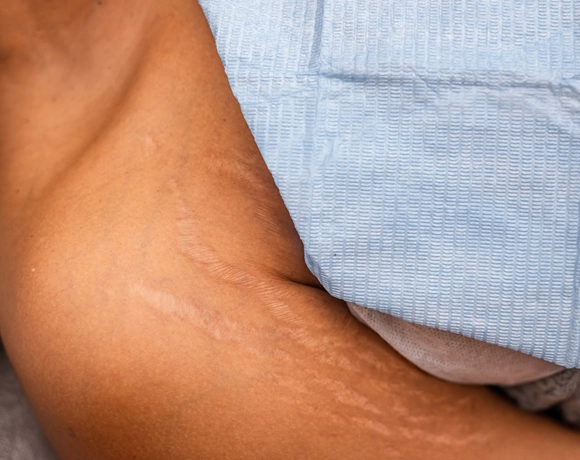
First Aesthetic Treatment in Lagos
How to Prepare for Your First Aesthetic Treatment in Lagos
Booking your first aesthetic treatment can feel exciting, but it can also feel confusing.
You may want clearer skin, fewer wrinkles, smoother texture, body contouring, laser hair removal, stretch mark treatment, fillers, Botox, chemical peels, facials or intimate wellness care.
But before you book, it is important to understand what you are doing, why you are doing it and how to prepare safely.
Aesthetic treatments are not all the same.
Some are simple and relaxing, like a facial or massage.
Some are more advanced, like Botox, dermal fillers, chemical peels, microneedling, PRP, laser hair removal, CO₂ laser resurfacing and fat dissolving injections.
The more advanced the treatment is, the more important preparation becomes.
This guide explains how to prepare for your first aesthetic treatment in Lagos, what to ask during consultation, what to avoid before your appointment and how to protect your skin after treatment.
Start With Your Main Concern
Before choosing any treatment, ask yourself one simple question:
What exactly do I want to improve?
Your answer may be:
- Dark spots
- Acne scars
- Wrinkles
- Unwanted hair
- Dull skin
- Stretch marks
- Body fat pockets
- Sagging skin
- Underarm darkness
- Fine lines
- Skin tags
- Uneven texture
- Dry skin
- Intimate wellness concerns
Knowing your main concern helps the clinic recommend the right treatment.
Do not start with the treatment name.
Start with the problem.
For example, instead of saying, “I want CO₂ laser,” say, “I have acne scars and rough texture.”
Instead of saying, “I want fillers,” say, “My face looks tired, and I think I have lost volume.”
A good clinic should assess the concern and then recommend the best option.
Do Not Choose a Treatment Only Because It Is Trending
Many aesthetic treatments become popular because of social media.
You may see videos of people getting:
- Botox
- Fillers
- Chemical peels
- Vampire facial
- Laser hair removal
- Fat dissolving injections
- Body sculpting
- Skin boosters
- Vaginal rejuvenation
- P-Shot or O-Shot
But a treatment being popular does not mean it is right for you.
Your skin, face and body are different from another person’s.
A treatment that works well for one client may not be suitable for another client.
This is why consultation matters.
The goal is not to copy trends.
The goal is to choose what your skin or body actually needs.
Book a Consultation First
A consultation is one of the most important parts of any aesthetic treatment.
It helps the practitioner understand your concern, assess your skin or body and decide whether the treatment is suitable.
During consultation, you may be asked about:
- Your main concern
- Your medical history
- Current medications
- Allergies
- Pregnancy or breastfeeding
- Previous treatments
- Skin sensitivity
- Keloid history
- Cold sore history
- Current skincare products
- Recent sun exposure
- Past reactions
- Expected result
- Budget
- Available downtime
Do not treat consultation like a waste of time.
A good consultation can prevent you from choosing the wrong treatment.
It can also reduce your risk of burns, dark marks, poor results or complications.
Be Honest About Your Medical History
Do not hide information from the clinic.
Some people hide health details because they are afraid the clinic will refuse treatment.
But your health history helps protect you.
Tell the practitioner if you:
- Are pregnant
- Are breastfeeding
- Have diabetes
- Have high blood pressure
- Have a bleeding disorder
- Have a history of keloids
- Have cold sores
- Have active acne
- Have skin infections
- Take blood thinners
- Take acne medication
- Take supplements
- Recently had surgery
- Recently had another cosmetic treatment
- Have allergies
- Have a serious medical condition
This information can affect whether you are suitable for the treatment.
It can also affect your aftercare and recovery.
A safe clinic should not rush treatment without asking proper health questions.
Share Your Current Skincare Routine
If you are booking a facial, chemical peel, laser, microneedling, PRP or skin resurfacing treatment, your skincare routine matters.
Tell the clinic if you use:
- Retinol
- Tretinoin
- Acids
- Vitamin C
- Benzoyl peroxide
- Hydroquinone
- Exfoliating scrubs
- Acne medication
- Bleaching creams
- Herbal mixtures
- Strong toners
- Home chemical peels
Some products may need to be paused before treatment.
This is because certain skincare ingredients can make the skin more sensitive.
If your skin is already irritated, doing a peel, laser or microneedling too soon may increase the risk of burning, dark marks or prolonged redness.
Do not guess.
Ask the clinic what to stop and when to stop it.
Avoid Trying New Products Before Treatment
Do not start a new skincare product a few days before your appointment.
This is especially important if you are doing:
- Chemical peel
- Microneedling
- PRP facial
- Laser treatment
- CO₂ laser resurfacing
- Acne treatment
- Dark spot treatment
- Facial rejuvenation
New products can cause irritation, breakouts or sensitivity.
If your skin reacts before your appointment, the treatment may need to be delayed.
Keep your routine simple unless the clinic gives you specific instructions.
Avoid Harsh Scrubs and Home Peels
Before an aesthetic treatment, avoid harsh exfoliation.
This includes:
- Strong facial scrubs
- Body scrubs on irritated skin
- Home chemical peels
- DIY acids
- Lemon juice
- Baking soda
- Toothpaste remedies
- Strong bleaching mixtures
- Aggressive exfoliating gloves
Harsh exfoliation can damage the skin barrier.
When the skin barrier is weak, the skin may react badly to professional treatments.
This is very important for Black and brown skin because irritation can lead to dark marks.
If you are treating pigmentation, rough texture or acne scars, stronger is not always better.
Safe and steady treatment is better than burning the skin.
Avoid Sunburn and Tanning
Sun exposure can affect many aesthetic treatments.
If your skin is sunburned, irritated or recently tanned, your treatment may need to be postponed.
This is important before:
- Laser hair removal
- CO₂ laser resurfacing
- Chemical peels
- Tattoo removal
- Pigmentation treatments
- Microneedling
- Skin resurfacing treatments
Sunburned skin is already injured.
Adding a strong treatment on top of that can increase the risk of burns, irritation and pigmentation problems.
Protect your skin before your appointment.
For exposed areas, use sunscreen and avoid unnecessary sun exposure.
Prepare Differently for Different Treatments
Not every aesthetic treatment needs the same preparation.
A facial is not the same as Botox.
Laser hair removal is not the same as fillers.
A chemical peel is not the same as body sculpting.
Your clinic should give you specific instructions based on the treatment you are having.
Below are general preparation tips for common aesthetic treatments.
How to Prepare for a Professional Facial
Before a facial, you may be advised to:
- Avoid harsh scrubs
- Avoid home peels
- Avoid waxing the face shortly before treatment
- Avoid picking pimples
- Tell the aesthetician about allergies
- Share your current skincare routine
- Mention if your skin is sensitive
- Avoid treatment over broken or irritated skin
- Arrive with clean skin if possible
A facial should be selected based on your skin concern.
If you have acne, dark spots, dryness or sensitivity, say it clearly before treatment begins.
How to Prepare for a Chemical Peel
Before a chemical peel, preparation is very important.
You may be advised to avoid:
- Retinoids
- Strong acids
- Facial scrubs
- Waxing
- Threading
- At-home peels
- Sun exposure
- Skin bleaching mixtures
- Picking pimples
- Treatment on irritated skin
A chemical peel should not be done on skin that is inflamed, sunburned or already peeling.
For dark African skin, the peel must be selected carefully.
A strong peel may not always be the best peel.
The safest peel is the one that suits your skin tone, skin concern and sensitivity.
How to Prepare for Laser Hair Removal
Before laser hair removal, the clinic may ask you to shave the treatment area.
Shaving keeps the hair root inside the follicle, which the laser needs to target.
You may be advised to avoid:
- Waxing
- Plucking
- Threading
- Bleaching the hair
- Recent tanning
- Sunburn
- Harsh products on the area
- Treatment over irritated skin
Tell the practitioner if you have a history of keloids, scarring, cold sores or recent acne medication use.
Also tell them if your skin is dark or sensitive so the settings can be selected carefully.
Laser hair removal can be safe for dark skin when the right equipment and settings are used.
How to Prepare for Botox
Before Botox, the clinic may ask about your medical history, medications and previous injectable treatments.
You may be advised to:
- Avoid alcohol shortly before treatment
- Avoid unnecessary blood-thinning supplements if instructed
- Arrive with a clean face
- Avoid heavy makeup when possible
- Tell the practitioner if you are pregnant or breastfeeding
- Mention muscle or nerve conditions
- Mention allergies
- Discuss the exact result you want
Do not book Botox for the first time immediately before a major event.
Mild bruising, redness or swelling can happen.
It is better to give the treatment time to settle.
How to Prepare for Dermal Fillers
Dermal fillers need serious consultation.
Before treatment, ask:
- What product will be used?
- Is it suitable for this area?
- Who will inject it?
- What experience do they have?
- What are the risks?
- Can the filler be dissolved?
- What should I do if I notice a problem?
You may be advised to avoid alcohol and certain supplements before treatment if they increase bruising risk.
Tell the practitioner if you have allergies, cold sores, infections, dental work planned or previous filler.
Fillers should never be treated like casual beauty treatment.
They are injectable medical procedures and should be performed by trained professionals.
How to Prepare for Microneedling or Vampire Facial
Microneedling and vampire facial involve controlled microchannels in the skin.
Before treatment, you may be advised to avoid:
- Strong acids
- Retinoids
- Harsh scrubs
- At-home peels
- Waxing
- Sunburn
- Active infection
- Picking acne
- Treatment over irritated skin
Tell the clinic if you have:
- Active acne
- Cold sores
- Keloid tendency
- Blood disorders
- Low platelets
- Recent laser or peel
- Recent use of strong acne medication
For vampire facial, the clinic also needs to collect and process blood, so hygiene is extremely important.
How to Prepare for CO₂ Laser Resurfacing
CO₂ laser is a stronger skin-resurfacing treatment.
Preparation may include:
- Avoiding sun exposure
- Pausing certain skincare products
- Treating active acne first
- Avoiding harsh exfoliation
- Sharing medical history
- Discussing keloid risk
- Discussing cold sore history
- Planning downtime
- Asking about pigmentation risk
- Asking whether your skin needs pre-treatment preparation
For dark skin, CO₂ laser must be planned carefully because of the risk of dark or light patches.
Do not choose CO₂ laser because it sounds powerful.
Choose it only if it is suitable for your skin.
How to Prepare for Body Sculpting
Before body sculpting, the clinic should assess whether your concern is:
- Fat
- Fluid retention
- Loose skin
- Cellulite
- Bloating
- Muscle tone
- General weight
- Body shape
This matters because body sculpting is not weight loss.
You may be advised to:
- Drink water
- Avoid heavy meals before treatment
- Wear comfortable clothing
- Share your medical history
- Mention pregnancy or breastfeeding
- Mention implants or medical devices
- Mention recent surgery
- Discuss realistic results
If your goal is major weight loss, body sculpting may not be the first step.
How to Prepare for Fat Dissolving Injection
Fat dissolving injections are injectable treatments.
Before treatment, the practitioner should assess whether the area is suitable.
You may be asked about:
- Medical history
- Medicines
- Allergies
- Pregnancy or breastfeeding
- Bleeding issues
- Liver or kidney conditions
- Diabetes
- Skin infection
- Recent surgery
- Treatment expectations
Fat dissolving injection is not for the whole body.
It is usually for selected small pockets of fat.
Do not buy fat dissolving injections online.
Do not allow an untrained person to inject unknown products into your body.
How to Prepare for Intimate Wellness Treatments
For intimate wellness treatments such as O-Shot, P-Shot or vaginal rejuvenation, privacy and proper screening are very important.
Before booking, ask:
- Is this treatment suitable for my concern?
- Do I need medical evaluation first?
- What are the risks?
- Who will perform the treatment?
- How is privacy handled?
- What aftercare is required?
- What results are realistic?
Tell the clinic if you have infection, pain, unusual discharge, bleeding, urinary symptoms, pregnancy, breastfeeding or recent surgery.
Do not feel ashamed.
A professional clinic should handle intimate wellness concerns with respect and confidentiality.
What to Wear to Your Appointment
Wear comfortable clothing.
If you are treating the face, avoid heavy makeup.
If you are treating the body, wear something that allows easy access to the treatment area.
For body treatments, loose clothing may be better after the session.
For laser hair removal, avoid applying heavy oils, deodorants or lotions on the area unless the clinic says it is okay.
For injectable treatments, avoid tight clothing or anything that presses heavily on the treated area.
Eat and Hydrate Before Treatment
For many treatments, it is helpful to eat normally and drink water before your appointment.
Do not arrive weak, dizzy or extremely hungry.
This is especially important if your treatment involves blood collection, PRP, injections or longer appointment time.
However, some treatments may have specific instructions about food, alcohol or supplements.
Follow the clinic’s advice.
Avoid Alcohol Before Some Treatments
Alcohol may increase the risk of bruising, swelling or dehydration for some treatments.
This is especially relevant before:
- Botox
- Fillers
- PRP
- Microneedling
- Fat dissolving injections
- Some body treatments
Ask the clinic how long to avoid alcohol before your appointment.
Do not rely on general online advice if your clinic has given specific instructions.
Do Not Hide Previous Treatments
Tell the clinic if you recently had:
- Botox
- Fillers
- Chemical peel
- Laser
- Microneedling
- PRP
- Facial
- Surgery
- Thread lift
- Tattoo removal
- Body sculpting
- Fat dissolving injections
- Intimate wellness treatment
Treatments can affect each other.
Doing too many procedures too close together can increase irritation, swelling or complications.
A safe clinic should help you space your treatments properly.
Take Clear Before Photos
Before starting a treatment plan, take clear photos.
Use:
- Good lighting
- Same angle
- No filter
- Clean skin
- Same background if possible
Before photos help you track real progress.
This is useful for treatments such as:
- Acne scars
- Dark spots
- Stretch marks
- Laser hair removal
- Body contouring
- Chemical peels
- Microneedling
- Fat dissolving injections
- Skin rejuvenation
Sometimes improvement happens gradually, and photos help you see changes that may not be obvious every day.
Understand Downtime Before You Book
Every treatment has a different recovery period.
Some treatments may have little downtime.
Others may cause redness, peeling, swelling, bruising, dryness or tenderness.
Ask the clinic:
- Will I peel?
- Will I be swollen?
- Can I wear makeup after?
- Can I go to work after?
- Can I exercise after?
- Can I attend an event the next day?
- How long before my skin looks normal?
- What side effects are expected?
- What side effects are not normal?
Do not book a strong treatment right before a wedding, birthday, photoshoot or important meeting.
Plan ahead.
Know What Results Are Realistic
Aesthetic treatments can improve many concerns, but they do not create perfection.
Before treatment, understand the likely outcome.
For example:
- Botox softens movement lines, but it is temporary.
- Fillers add or restore volume, but they do not stop ageing.
- Laser hair removal reduces hair growth, but maintenance may be needed.
- Chemical peels may improve dark spots, but pigmentation can return.
- Microneedling may improve acne scars, but deep scars may not disappear completely.
- CO₂ laser may improve texture, but it has downtime and risk.
- Fat dissolving injections contour small areas, but they are not weight loss.
- Stretch mark treatments can improve appearance, but may not remove marks completely.
A good clinic will explain both the benefits and limits of treatment.
Ask About Side Effects
Do not be afraid to ask about side effects.
A professional clinic should tell you what can happen.
Common side effects may include:
- Redness
- Swelling
- Bruising
- Tenderness
- Peeling
- Dryness
- Temporary darkening
- Itching
- Mild discomfort
More serious risks may include:
- Infection
- Burns
- Scarring
- Allergic reaction
- Pigmentation changes
- Tissue injury
- Poor results
- Vascular complications with fillers
The aim is not to scare you.
The aim is to help you make an informed decision.
Ask What to Do If Something Goes Wrong
Before treatment, ask:
- Who do I contact if I react badly?
- What signs should I watch for?
- Do you offer follow-up?
- What happens if I am not happy with the result?
- What happens if I have swelling or pain?
- What is your emergency plan?
This is especially important for fillers, lasers, deep peels, PRP, fat dissolving injections and intimate wellness treatments.
A safe clinic should have a clear response plan.
Do Not Choose Based on Price Alone
Price matters, but it should not be the only reason you choose a clinic.
Very cheap treatment may sometimes mean:
- Poor consultation
- Untrained provider
- Fake products
- Weak or expired products
- Poor hygiene
- No aftercare
- No follow-up
- Wrong technique
- Unsafe environment
This does not mean expensive is always better.
It means you should compare value, safety, experience, product quality and aftercare.
Aesthetic treatment is not the place to gamble with your skin or face.
Choose a Clinic That Understands Dark Skin
In Lagos, many clients have Black or brown skin.
Melanin-rich skin can respond strongly to irritation, heat, burns or inflammation.
This can lead to:
- Dark marks
- Light patches
- Keloids
- Uneven tone
- Post-inflammatory hyperpigmentation
- Longer healing time
This is important for treatments like:
- Chemical peels
- Laser hair removal
- Tattoo removal
- CO₂ laser
- Microneedling
- Skin tag removal
- Dark spot treatment
- Acne scar treatment
Ask whether the clinic has experience treating your skin tone.
Do not assume every treatment setting is safe for every skin colour.
How to Choose a Safe Aesthetic Clinic in Lagos
Before booking your first treatment, look for a clinic that offers:
Proper consultation
You should be assessed before treatment.
Qualified professionals
The person treating you should be trained for the procedure.
Clean environment
The clinic should be hygienic, private and organised.
Clear explanation
You should understand what is being done and why.
Experience with your skin tone
This is important for dark African skin.
Honest expectations
The clinic should not promise perfect results.
Safe products and equipment
Ask what is being used and why.
Aftercare instructions
You should know what to do after treatment.
Follow-up support
You should know who to contact after your appointment.
No pressure
You should not be forced to pay or treat immediately.
A good clinic should educate you, not rush you.
Questions to Ask Before Your First Treatment
Before booking, ask:
- What treatment do you recommend for my concern?
- Why is this treatment suitable for me?
- Who will perform it?
- What training do they have?
- What product or machine will be used?
- Is it suitable for my skin tone?
- How many sessions may I need?
- What results are realistic?
- What are the side effects?
- What should I avoid before treatment?
- What should I avoid after treatment?
- How long is the downtime?
- How much will it cost?
- Is follow-up included?
- What happens if I react badly?
The answers should be clear.
If the clinic becomes rude because you asked questions, that is a red flag.
What to Bring to Your Appointment
You may need to bring:
- A list of your medications
- A list of skincare products
- Previous treatment history
- Photos of past reactions, if any
- Questions you want to ask
- Comfortable clothing
- Your appointment confirmation
- Medical information, if relevant
If you are treating a skin concern, avoid using filters when showing photos.
Clear photos help the practitioner understand the real issue.
What Happens on Treatment Day?
On treatment day, the clinic may:
- Confirm your appointment.
- Review your concern.
- Ask health questions.
- Examine the treatment area.
- Explain the procedure.
- Discuss cost and consent.
- Prepare the area.
- Perform the treatment.
- Give aftercare instructions.
- Schedule follow-up if needed.
You should not feel confused about what is happening.
You have the right to ask questions before treatment starts.
Aftercare Is Part of the Treatment
Aftercare can affect your results.
Depending on the treatment, you may be told to:
- Avoid sun exposure
- Use sunscreen
- Avoid makeup for a short time
- Avoid hot steam or sauna
- Avoid heavy exercise
- Avoid touching the treated area
- Avoid harsh skincare
- Avoid shaving or waxing temporarily
- Avoid alcohol for a short time
- Keep the area clean
- Use recommended products
- Attend follow-up
Do not ignore aftercare.
The treatment does not end when you leave the clinic.
Warning Signs After Treatment
Some mild reactions are normal after aesthetic treatments.
But contact the clinic if you notice:
- Severe pain
- Worsening swelling
- Pus
- Fever
- Blisters
- Skin turning very dark or pale
- Difficulty breathing
- Difficulty swallowing
- Severe allergic reaction
- Vision changes after filler
- Spreading redness
- Unusual bleeding
- A wound that is not healing
Do not wait too long if something feels wrong.
It is better to ask early.
Preparing Mentally for Your First Treatment
Your first treatment should not be based on panic or pressure.
Do not book because someone insulted your skin.
Do not book because social media made you feel insecure.
Do not book because you want to look exactly like another person.
Aesthetic treatment should support your confidence, not make you feel like you are not enough.
Go in with realistic expectations.
Ask questions.
Understand the process.
Choose a clinic that respects your face, body and health.
First Aesthetic Treatment in Lekki, Lagos
For people preparing for their first aesthetic treatment in Lekki, Vitality Aesthetics & Spa offers non-surgical aesthetic, skin, laser, body, spa and wellness treatments in a professional clinic environment.
Vitality’s services include:
- Botox and anti-wrinkle care
- Dermal fillers
- Chemical peels
- Microneedling
- Vampire facial
- CO₂ laser resurfacing
- Laser hair removal
- Tattoo removal
- Stretch mark treatment
- Skin tag removal
- Body sculpting
- Fat dissolving injections
- Lymphatic drainage
- Body scrub and body polishing
- Intimate rejuvenation
- Professional facials
The clinic focuses on personalised treatment plans, certified professionals, modern equipment and care tailored to the client’s goals.
During your first consultation, you can discuss:
- Your main concern
- Your skin or body goal
- Treatment options
- Suitability
- Expected results
- Cost
- Side effects
- Downtime
- Aftercare
- Follow-up support
This helps you make an informed decision instead of guessing which treatment you need.
Add internal links here to Vitality’s:
- Services page
- About Us page
- FAQ page
- Safe Aesthetic Clinic in Lagos blog post
- Botox vs Dermal Fillers blog post
- Chemical Peels blog post
- Laser Hair Removal blog post
- Contact Us page
Frequently Asked Questions
How do I prepare for my first aesthetic treatment?
Start with a consultation, know your main concern, share your medical history, list your skincare products and follow the clinic’s pre-treatment instructions.
Should I stop skincare before treatment?
Some products may need to be paused before peels, lasers or microneedling. Ask the clinic before stopping or continuing strong products.
Can I wear makeup to my appointment?
For facial treatments, it is better to arrive with clean skin when possible. The clinic may cleanse your skin before treatment.
Can I do aesthetic treatment before an event?
You can, but avoid strong new treatments immediately before an important event. Some treatments may cause swelling, peeling, bruising or redness.
What should I ask before Botox or fillers?
Ask who will inject you, what product will be used, what results are realistic, what risks exist and what aftercare is needed.
What should I avoid before laser hair removal?
Avoid waxing, plucking, tanning, sunburn and irritation on the treatment area. The clinic may ask you to shave before treatment.
Is aesthetic treatment safe for dark skin?
Many treatments can be safe for dark skin when selected properly. The clinic must understand pigmentation risk and adjust treatment for your skin tone.
How do I know if a clinic is safe?
Look for proper consultation, trained professionals, hygiene, clear product information, honest expectations, aftercare and follow-up support.
Should I choose the cheapest aesthetic clinic?
No. Price matters, but safety, training, product quality, hygiene and aftercare matter more.
Where can I book my first aesthetic treatment in Lekki?
Vitality Aesthetics & Spa is located at:
20B Rahman Adeboyejo Street, Lekki, Lagos, Nigeria
For enquiries and appointments:
+234 703 003 5044
+234 818 501 5086
Final Thoughts
Your first aesthetic treatment should not be rushed.
Start by understanding your concern, asking the right questions and choosing a safe professional clinic.
Do not choose treatments only because they are trending.
Do not hide your medical history.
Do not ignore aftercare.
The best aesthetic result starts before the treatment begins.
It starts with consultation, preparation, realistic expectations and a clinic that cares about your safety.
Your skin, face and body deserve careful treatment.
Choose wisely, prepare properly and let your first aesthetic experience be safe, informed and confidence-building.